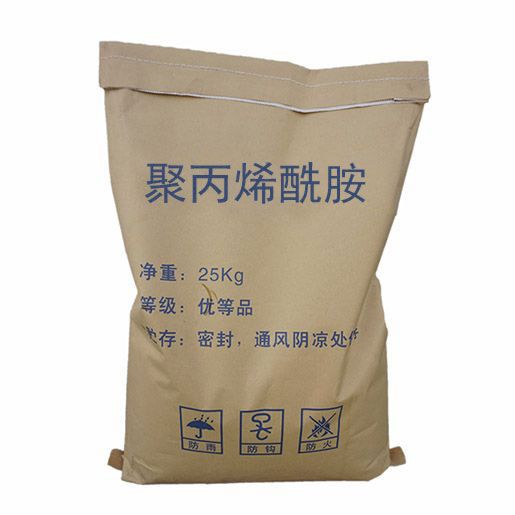
Flocculant PAM, also named Polyacrylamide, is a water‑soluble high‑molecular polymer. Used together with coagulants, it acts on the surface of suspended substances mainly through sweeping and bridging effects to significantly improve coagulation and flocculation performance. PAM is widely applied for sludge dewatering, solid‑liquid separation, and recovery of coal‑washing, mineral‑processing and papermaking wastewater. It can be used for industrial wastewater and municipal domestic sewage treatment, and also serves as an additive for mud materials in oil‑field and geological exploration drilling.
Flocculant PAM, also named Polyacrylamide, is a water‑soluble high‑molecular polymer. Used together with coagulants, it acts on the surface of suspended substances mainly through sweeping and bridging effects to significantly improve coagulation and flocculation performance. PAM is widely applied for sludge dewatering, solid‑liquid separation, and recovery of coal‑washing, mineral‑processing and papermaking wastewater. It can be used for industrial wastewater and municipal domestic sewage treatment, and also serves as an additive for mud materials in oil‑field and geological exploration drilling.
| Item | Index |
|---|---|
| Appearance | White powdery solid |
| Molecular Weight | ≥ 12 million |
| pH (1 % aqueous solution) | 3‑6 |
Prepare 0.1 % aqueous solution with neutral salt‑free water for application. Sprinkle PAM evenly into stirring water during dissolution. Moderate heating (<60 ℃) can accelerate dissolution. Determine the dosage by laboratory tests and adjust pH value of the raw water to be treated. General dosage ranges from 0.5‑2 g per ton of water.
Polyacrylamide is packed in polypropylene woven bags with inner plastic liner, 25 kg per bag. This product is hygroscopic. Keep it hermetically sealed in cool and dry environment below 35 ℃. Do not spill solid product on the ground to prevent slippery surface caused by moisture absorption.
Operators shall wear protective equipment to avoid skin contact with WT‑302 Flocculant PAM. Rinse with clean water immediately in case of accidental contact.