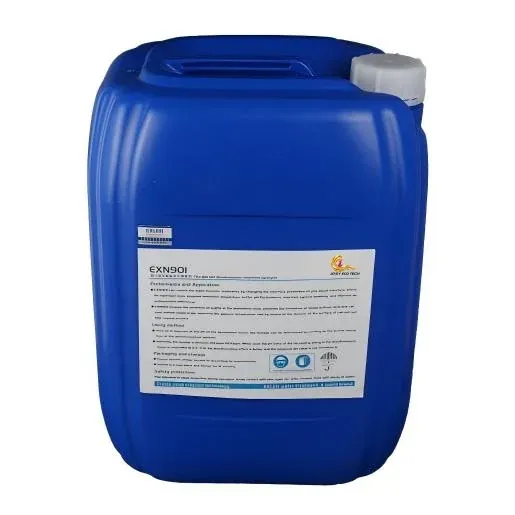
1. Product Introduction
Also known as wet‑type composite desulfurization enhancer, this product is specially developed for limestone‑gypsum wet‑process sulfur‑dioxide removal processes applied in power plants, steel mills, cement plants and other facilities.
2. Technical Specifications
| Item | Index |
|---|
| Appearance | White or grey‑brown powder |
| pH (1 % solution) | 2.0‑4.0 |
| Content % | >99 |
3. Performance and Application
- The composite desulfurization enhancer modifies gas‑liquid interfacial properties and reduces mass‑transfer resistance.
- It facilitates hydrogen‑ion transfer to accelerate limestone dissolution, buffers pH fluctuation, stabilizes system operation and improves desulfurization efficiency.
- It inhibits oxidation of sulfite at absorption sections and prevents mixed scaling of bisulfite and calcium sulfate.
- It modifies crystal surface of calcium sulfate crystals and improves gypsum dewatering rate.
4. Usage Method
- Add all at once or in batches at the sump of absorption tower. Customized solution is available according to actual conditions of power plants.
- Dosage shall be determined by actual operating status of desulfurization system, generally ranging from 200 ppm to 1500 ppm.
- For optimal desulfurization performance, maintain circulating‑slurry pH of desulfurization tower at 5.5‑5.8; pH shall not exceed 6.0.
5. Packaging and Storage
- Sealed plastic‑bag packaging, net weight 25 kg per bag; customizable as per user requirements.
- Store under cool, dry and shaded conditions at ambient temperature. Keep away from fire and heat sources. Store separately from oxidants, reducing agents and alkaline substances.
- Keep packages intact and secure during transportation; avoid rain‑soaking, sun exposure and high temperature. Shelf life: 12 months.
6. Safety & Protection
EXN‑901 composite enhancer for flue‑gas wet desulfurization is dusty and prone to flying powder. Take protective measures during handling. Wear protective face mask for manual feeding to prevent respiratory injury from dust. In case of skin or eye contact, rinse thoroughly with plenty of clean water.